Stylish and Distinctive: Venturing into the World of Abstract Style
In the dynamic landscape of fashion, one trend that has enthralled the imagination of stylists and wearers alike is abstract artistry. This innovative approach transcends traditional aesthetics, inviting us to explore the relationship of hues, patterns, and contours in a way that questions our perceptions of aesthetics and fashion. Abstract fashion is more than just a artistic statement; it is an showcase of uniqueness, imagination, and the nature of experimentation.
As we navigate the world of abstract fashion, we realize how this genre fosters personal expression and embraces inclusivity. Each piece shares a story, reflecting the concepts and feelings of the creator behind it while inviting the wearer to engage in a dialogue of tactility and form. Whether it's through striking prints, unconventional silhouettes, or intricate embellishments, abstract fashion offers a new perspective that inspires us to liberate ourselves from the conventional and honor our distinct identities.
Defining Conceptual Style
Conceptual fashion is an artistic style to clothing design that focuses on color, form, and form over classic silhouettes and patterns. This style seeks to elicit emotion and spark thought, often gaining inspiration from diverse art movements. Creators of conceptual fashion explore non-standard materials and techniques, incorporating elements that challenge the normative perceptions of functionality and visual appeal. The result is a distinct blend of practicality and artistic expression that draws in those seeking to stand out in a crowd.
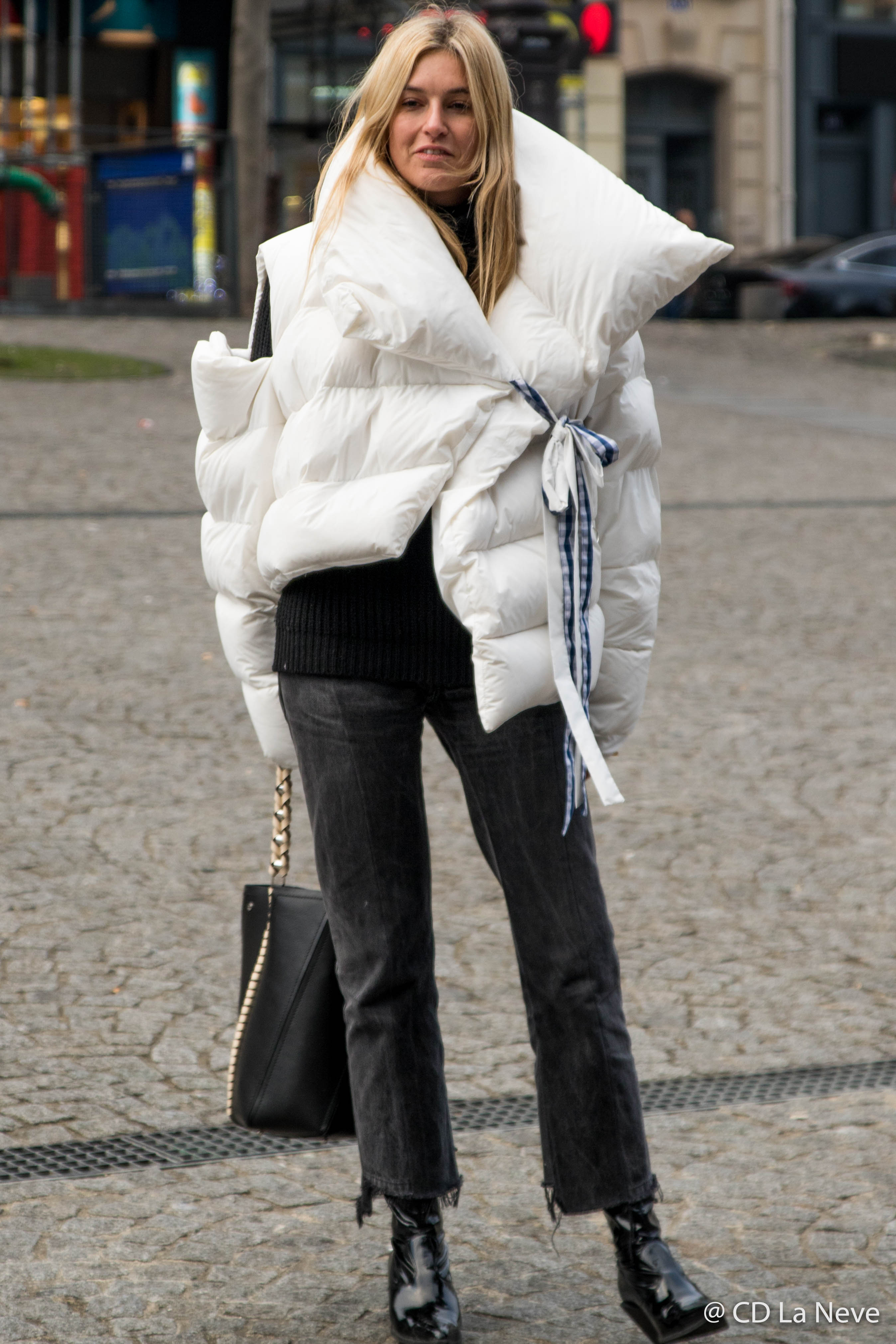
One of the main features of non-traditional fashion is its emphasis on individuality. Abstract designs often depart from established norms, inviting wearers to embrace personal style and self-expression. This freedom allows for an exploration of identity, with garments serving as a canvas for creativity. By focusing on non-representational elements, designers create pieces that invite interpretation, enabling each person to experience fashion in their own distinct way.
The impact of non-traditional fashion extends beyond the clothing itself; it shapes the overall perception of fashion as an art form. This genre encourages a conversation between the artist and the wearer, transforming everyday attire into statements of artistic intent. As fashion continues to evolve, the principles of non-traditional design challenge both artists and consumers to contemplate about what fashion can mean, making it a vibrant and stimulating facet of the fashion world.
Key Trends in Abstract Design
One of the key trends in abstract design fashion is the incorporation of vibrant colors and geometric shapes. Designers are increasingly experimenting with vibrant hues and asymmetrical patterns that draw the eye and create visual intrigue. luttz.fr allows for a playful yet sophisticated aesthetic, making outfits stand out while expressing personal style. Layering these components in distinctive combinations can transform basic shapes into statement pieces that resonate with the adventurous spirit of modern consumers.
A further significant trend is the incorporation of textural elements and fabric manipulation in abstract designs. Designers are exploring fabrics like mixed media, 3D textures, and unconventional fabric choices to enhance the visual and tactile experience of their garments. These creative approaches not only add depth to the design but also reshape traditional notions of fashion by merging art with wearability. As a result, consumers are drawn to pieces that spark curiosity and invite interaction, ultimately leading to a more immersive fashion experience.
Sustainability also plays a vital role in shaping the direction of abstract design fashion. As sustainability consciousness grows, many designers are creating collections that emphasize sustainable practices and materials while upholding a commitment to striking and artistic expression. This trend highlights the opportunity to combine aesthetics with responsibility, allowing fashion enthusiasts to embrace abstract designs that make a bold statement not just in style, but also in eco-consciousness. Through thoughtful choices in production and design, the abstract fashion landscape continues to evolve, reflecting the values of modern conscious consumers.
Ways to Dress up Nonrepresentational Creations
Accessorizing artistic pieces is centered around harmonizing striking patterns and unconventional forms with matching items. When wearing an nonrepresentational pattern, it’s crucial to keep your accompanying accessories minimal to let the focal element take precedence. A printed top or blouse can be matched alongside neutral trousers or traditional jewelry. For example, a vibrant abstract blouse is gorgeous when worn with tailored dark pants or a fitted skirt. This contrast lets the viewer to concentrate on the interesting design while not overwhelming the overall ensemble.
Creating layers is another great strategy for incorporating artistic fashion into your outfit collection. A bold nonrepresentational jacket or oversized cardigan can add an expressive flair over a plain ensemble. By utilizing subdued and muted colors for the under layers, you can produce a cohesive ensemble that prevents conflict. Don’t be afraid to combine fabrics, either: an artistic print works nicely alongside jeans, leather, or even rigid fabrics, creating a visually rich and fascinating outfit.
Accessories play a key role in dressing artistic items. Select jewelry, footwear, and purses that echo the tones or shapes found in your attire while not clashing for notice. For instance, if your nonrepresentational piece has vibrant colors, consider selecting an accessory in a similar tone to establish a cohesive ensemble. On the other hand, simple items in metals or earth tones can assist ground the look, permitting the nonrepresentational element to take the focus and enhancing a polished appearance.